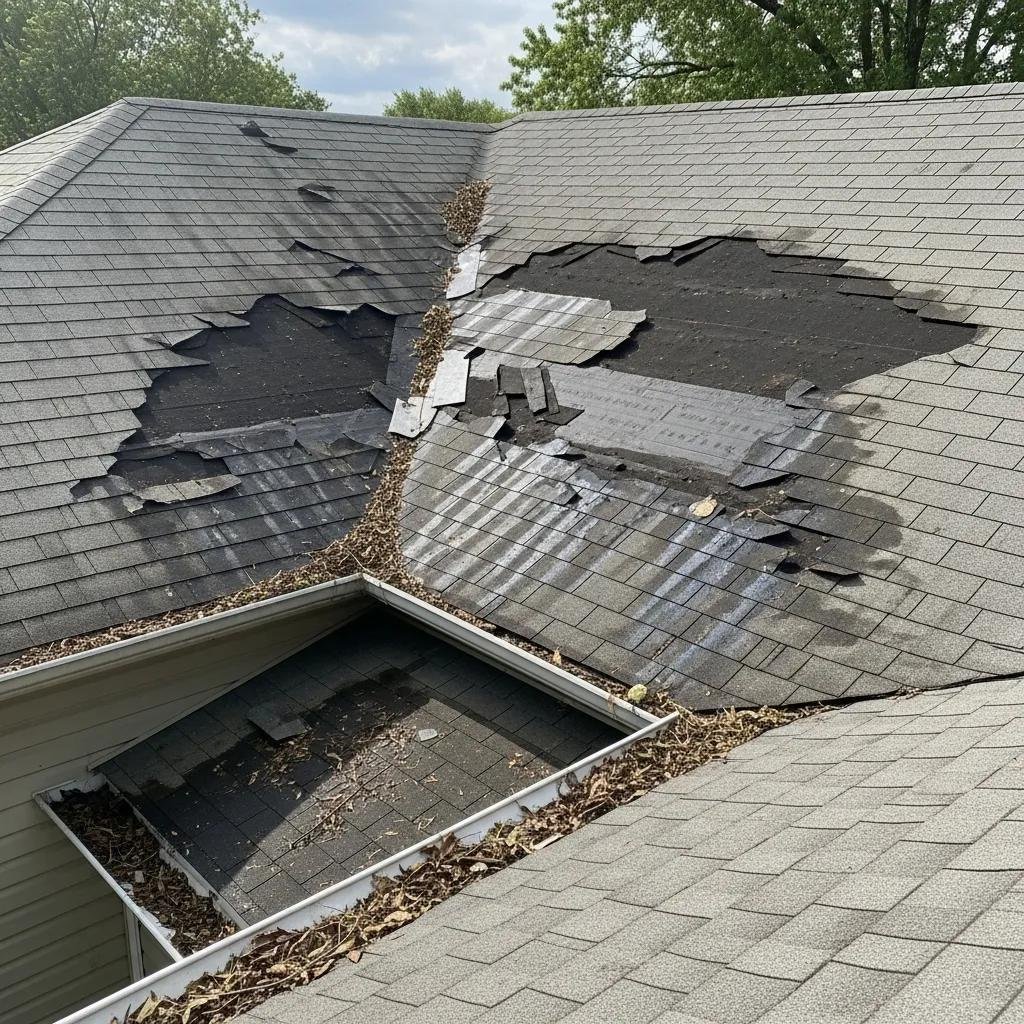
Roofing problems can cause major damage if they go unnoticed. You should watch for early warning signs to protect your home and investment. This guide explains the key indicators, preventive steps, and practical maintenance actions to keep your roof in good condition. Spotting issues early helps you avoid costly repairs and preserve your home’s integrity.
We cover common roofing signs, effective prevention, and essential maintenance. You’ll also learn how to spot interior water damage, why regular inspections matter, and which signs require urgent repairs. Understanding these points lets you act before small issues become major problems.
Key Indicators of Roofing Issues:
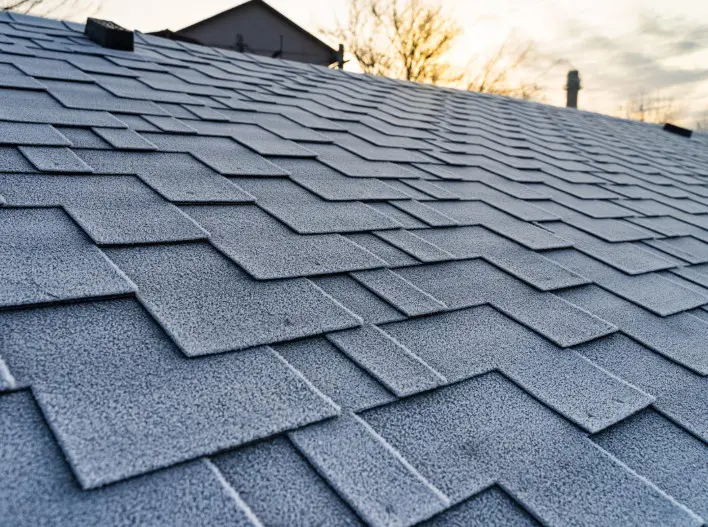
Catching roof problems early reduces damage and repair costs. Look for missing shingles, leaks, granule loss, visible surface damage, and moss or algae growth. Each sign points to an underlying issue that deserves prompt attention.
- Missing Shingles: A clear sign of roofing problems, missing shingles can expose your roof to water damage and leaks.
- Leaks: Water stains on ceilings or walls often indicate roof leaks that need prompt repair.
- Granule Loss: Excessive granule loss from shingles can reduce their effectiveness and lead to premature aging.
- Visible Damage: Cracks, holes, or other visible damage on the roof surface should be addressed immediately.
- Moss or Algae Growth: The presence of moss or algae can indicate moisture retention, which may lead to further damage.
Recognizing these indicators is essential to keep your roof healthy and prevent more serious problems down the line.
Preventive Measures:
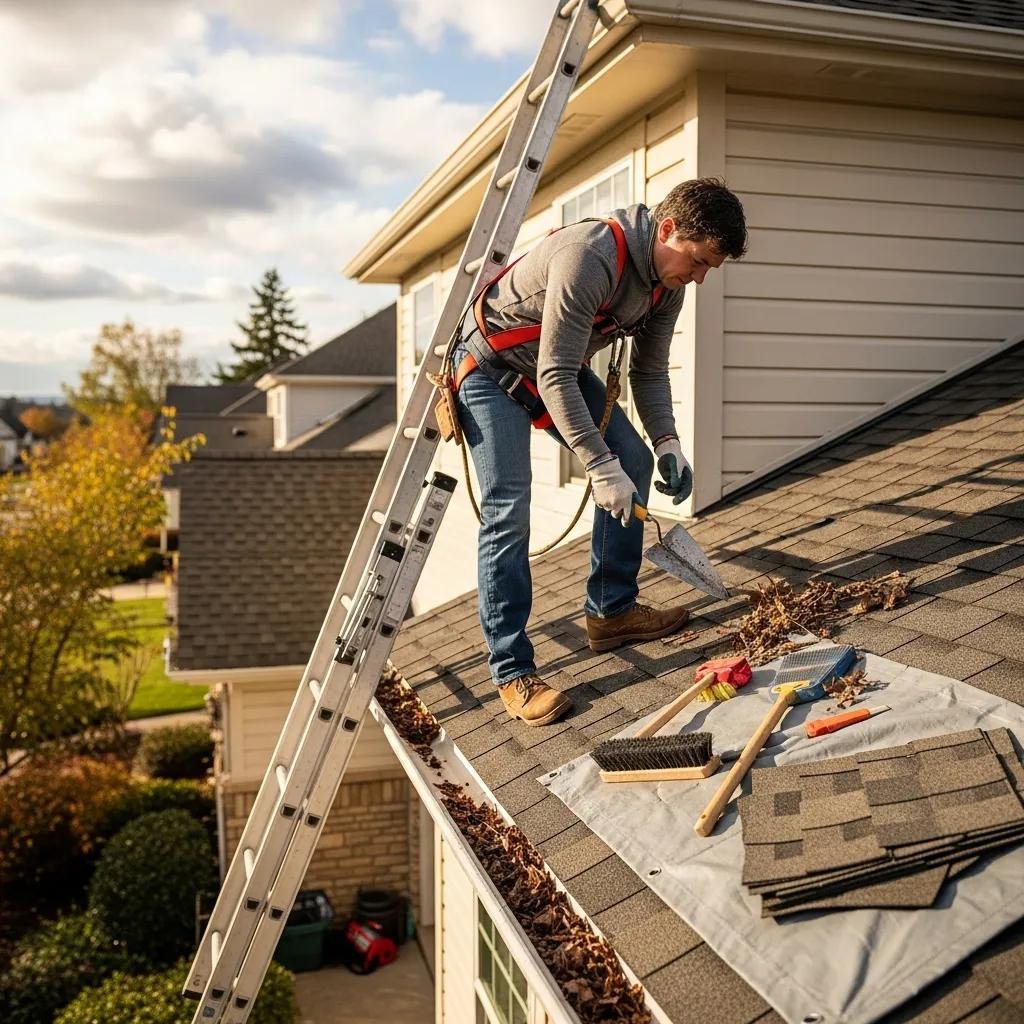
Proactive steps cut the risk of roofing issues. Schedule regular inspections, keep gutters clear, trim overhanging branches, and consider impact‑resistant roofing materials. These measures help extend the life of your roof and reduce the chance of costly damage.
The research highlights that effective planning is key to preventive maintenance for pitched roofs.
Preventive Maintenance Planning for Pitched Roofs
The analysis reviews recommended periodicity for preventive maintenance actions on pitched roofs and summarises those intervals in Table 6.
Maintenance planning of pitched roofs in current buildings, I Flores-Colen, 2017
- Regular Inspections: Schedule routine inspections to identify potential issues before they escalate.
- Clean Gutters: Keeping gutters clear of debris ensures proper drainage and prevents water buildup on the roof.
- Trim Overhanging Branches: Limiting tree branches near the roof can prevent damage from falling limbs and reduce debris accumulation.
- Install Impact-Resistant Roofing: Consider upgrading to impact-resistant materials to enhance your roof’s durability against severe weather.
Putting these preventive steps into practice helps protect your roof and avoid expensive repairs.
Recommended Maintenance Actions:
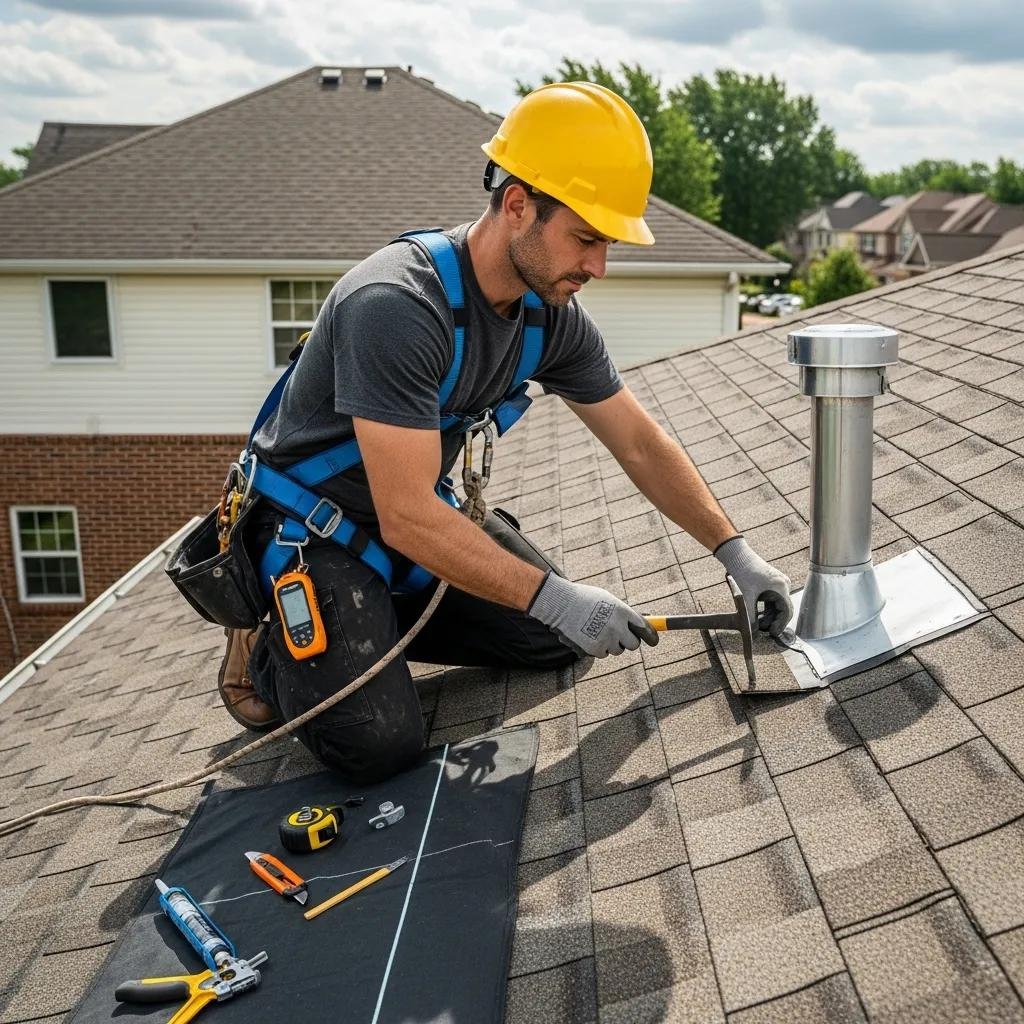
Regular maintenance preserves your roof’s lifespan. Focus on routine cleaning, checking flashing, sealing leaks promptly, and scheduling professional inspections. These actions stop small issues from becoming major problems.
- Routine Cleaning: Regularly clean your roof to remove debris, moss, and algae that can cause damage.
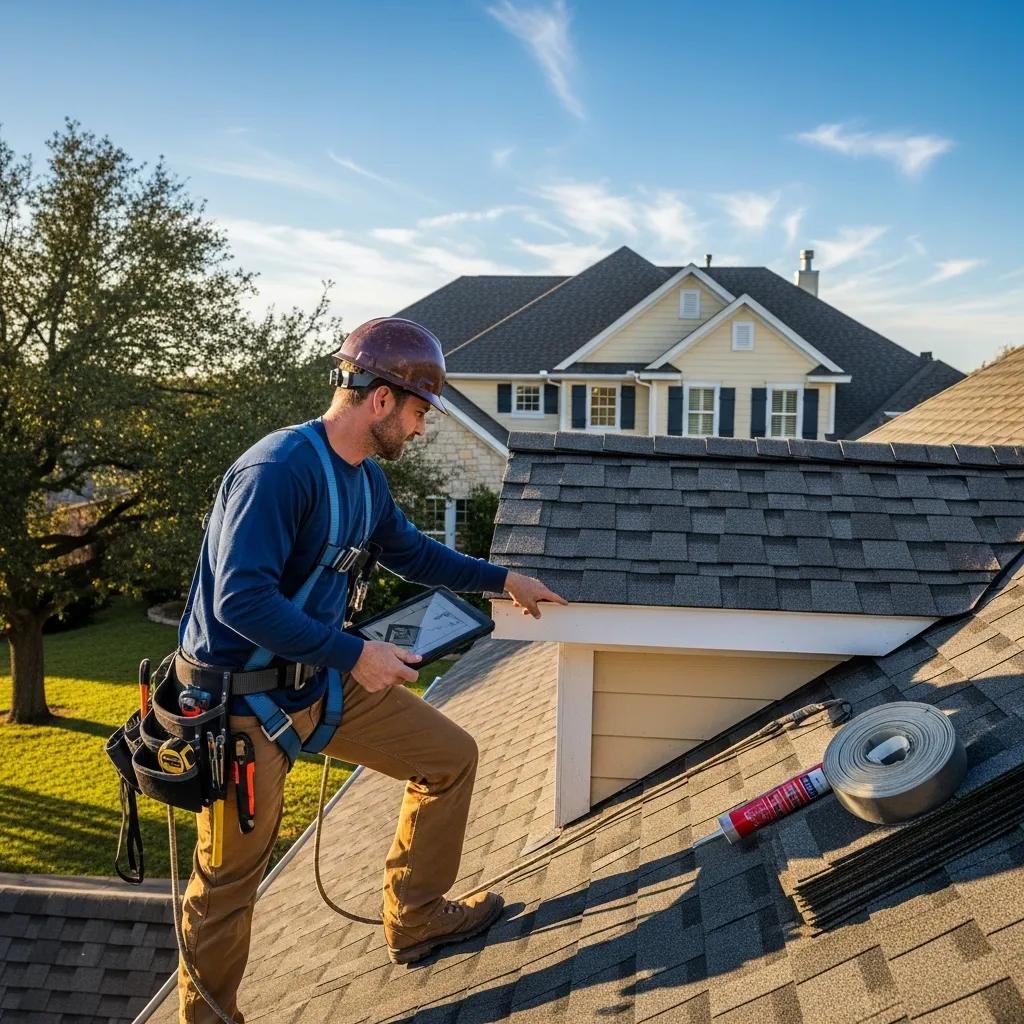
- Check Flashing: Inspect flashing around chimneys and vents to ensure they are secure and watertight.
- Seal Leaks Promptly: Address any leaks immediately to prevent water damage and mold growth.
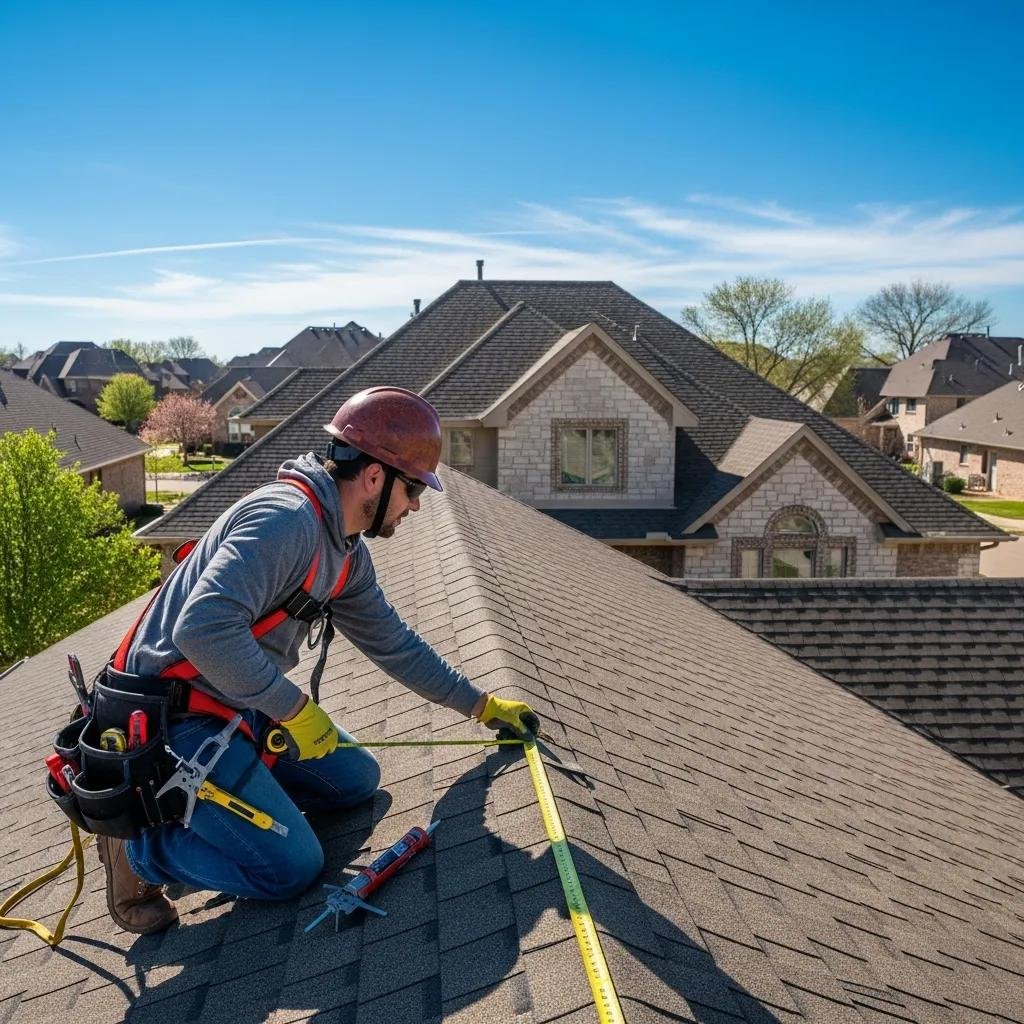
- Professional Inspections: Schedule professional inspections at least once a year to catch potential issues early.
If you need expert help, Terrells Roofing Siding and Windows provides comprehensive roofing services to keep your roof in top condition. They focus on quality craftsmanship and customer satisfaction, making them a dependable choice for local homeowners.
How to Spot Water Stains and Interior Damage Indicative of Roof Leaks
Water stains on ceilings or walls are often the first visible sign of a roof leak. Size and color can indicate severity. Investigate any discoloration or dampness promptly, because left unchecked these issues can lead to mold and structural damage.
Researchers are also exploring early leak detection systems that can find problems before they appear visually. These technologies could help reduce maintenance costs by identifying leaks sooner.
Early Leak Detection Systems for Roof Maintenance
A passive roof leak detection system (PRLDS) could provide early leak alerts and potentially reduce a maintenance budget. The study found a PRLDS comprises four components: sensors, signal, transmission medium, and a signal processing unit.
Survey of passive leak detection technologies for membrane roofing, 1994
Why Are Missing or Damaged Shingles Key Indicators of Roof Leaks?
Missing or damaged shingles leave the underlying roofing layers exposed to the elements and increase the risk of leaks. Shingles protect your roof from rain and snow, so replace damaged pieces promptly to preserve the roof’s integrity.
Which Roof Damage Indicators Signal Urgent Repair Needs?
Some signs require immediate repair. These include heavy granule loss, large cracks in shingles, and significant interior water stains. If you see any of these, contact a professional roofer for assessment and repair.
How Can Homeowners Effectively Use a Roof Inspection Checklist?
A checklist helps you inspect systematically. Include items like missing shingles, flashing condition, and signs of water damage so you don’t overlook critical areas during your review.
What Steps Should Be Included in a Comprehensive Roof Inspection?
A comprehensive roof inspection should include these steps:
- Visual Inspection: Examine the roof for visible damage, missing shingles, and debris.
- Interior Inspection: Check for water stains and signs of leaks inside the home.
- Flashing Inspection: Ensure all flashing is secure and watertight.
- Gutter Inspection: Inspect gutters for blockages and ensure proper drainage.
When and How Often Should Roof Inspections Be Scheduled?
Schedule inspections at least once a year, preferably in spring or fall. Also arrange an inspection after severe weather events like storms or heavy snowfall to check for damage.
What Are the Early Warning Signs of Mold and Water Damage on Roofs?
Discoloration on ceilings or walls, a musty odor, or visible mold are early warning signs. Address these immediately—mold can affect health and cause structural harm.
What Are the Health and Structural Risks of Untreated Water Damage?
Untreated water damage can lead to mold, reduced indoor air quality, and health hazards. Structurally, water weakens roof components and nearby areas, which can result in costly repairs and safety concerns.
When Should Homeowners Schedule Roof Repairs to Prevent Further Damage?
Arrange repairs as soon as you notice damage or leaks. Prompt action limits further deterioration and often lowers repair costs. Regular maintenance and inspections help you catch issues early.
What Are the Critical Roof Repair Warning Signs to Watch For?
Watch for these critical signs that require roof repair:
- Severe Granule Loss: Excessive granule loss can indicate aging shingles that need replacement.
- Visible Cracks or Holes: Any visible damage should be addressed immediately to prevent leaks.
- Water Stains: Stains on ceilings or walls are often the first signs of a roof leak.
How Do Severe Weather Trends in Oklahoma Impact Roof Maintenance Timing?
Oklahoma’s heavy rains and hailstorms affect when to inspect and maintain your roof. Be especially vigilant after severe weather and schedule inspections quickly to address any storm damage.
Different maintenance actions extend roof life and help prevent costly repairs. The table above compares common actions and their benefits to help you plan routine care.
Considering energy-efficient windows can also improve home protection and reduce energy use over time.
Frequently Asked Questions
What should I do if I notice water stains on my ceiling?
If you see water stains on your ceiling, act quickly. They often indicate a roof leak. Start by checking for missing shingles or visible damage. If you can’t find the source, contact a professional roofer for a full inspection. Fast action prevents further water damage, mold, and costly repairs.
How can I tell if my roof needs to be replaced rather than repaired?
Deciding between repair and replacement depends on age and damage. Roofs over 20 years old, with widespread wear, multiple leaks, or significant granule loss, often need replacement. A professional inspection will clarify the best course of action for your situation.
Are there specific seasons that are better for roof maintenance?
Spring and fall are generally the best seasons for roof maintenance. Weather is milder, making inspections and repairs easier. Spring is good for checking winter damage; fall helps prepare your roof for winter. After severe weather, schedule an inspection regardless of season.
What are the benefits of installing impact-resistant roofing materials?
Impact-resistant roofing performs better in hail and high winds, reducing the risk of storm damage. It can extend roof life and lower long-term maintenance costs. Many insurers also offer discounts for homes with impact-resistant roofs, which can help offset installation expenses.
How often should I clean my roof to prevent damage?
Clean your roof at least twice a year, ideally in spring and fall. Regular cleaning removes debris, moss, and algae that trap moisture and cause deterioration. If your property has heavy tree cover, you may need to clean more often.
What should I include in a roof inspection checklist?
Include a visual check for missing or damaged shingles, inspection of flashing around chimneys and vents, a look for interior signs of water damage like stains or mold, and an assessment of gutters for blockages and proper drainage. This systematic approach helps ensure no critical area is missed.
What are the signs that my roof may be nearing the end of its lifespan?
Signs your roof may be nearing its end include extensive granule loss, curling or buckling shingles, and repeated leaks. If your roof is over 20 years old and showing these issues, consider replacement. Regular inspections help you spot these warning signs early.
Conclusion
Finding and fixing roofing issues early saves you money and prevents major damage. By spotting key signs and following preventive maintenance, you protect your home’s structure and value. Don’t let small problems grow—take action now to keep your roof in good condition. For professional help and quality service, see Terrells Roofing Siding and Windows.