Roof replacement in Oklahoma City means choosing materials and contractors that protect your home, improve energy performance, and preserve value. This guide explains common roofing options, typical costs, and the installation steps so you can make a sound decision aligned with your budget and long-term goals. Many homeowners face uncertainty when selecting materials or contractors; this article clarifies the options and highlights what to watch for to avoid costly mistakes.
What Are the Best Roofing Materials for Oklahoma City Homes?
Choosing the right roofing material affects how long your roof lasts and how well it performs in local weather. In Oklahoma City, materials that resist high winds, hail, and temperature swings deliver the best value. Prioritise durability, lifecycle cost, and energy performance when you compare options.
Oklahoma’s climate influences roof life and performance; recent studies show shifting weather patterns can reduce the expected lifespan of common roofing systems.
Residential Roof Durability & Climate Resilience
Recent climatic changes have increased the severity of weather events and roof failures. This impacts the service life of a roof and the advertised warranties of asphalt shingles by the manufactures.
Performance Requirements for Climate Resilience of Residential Roofs, 2021
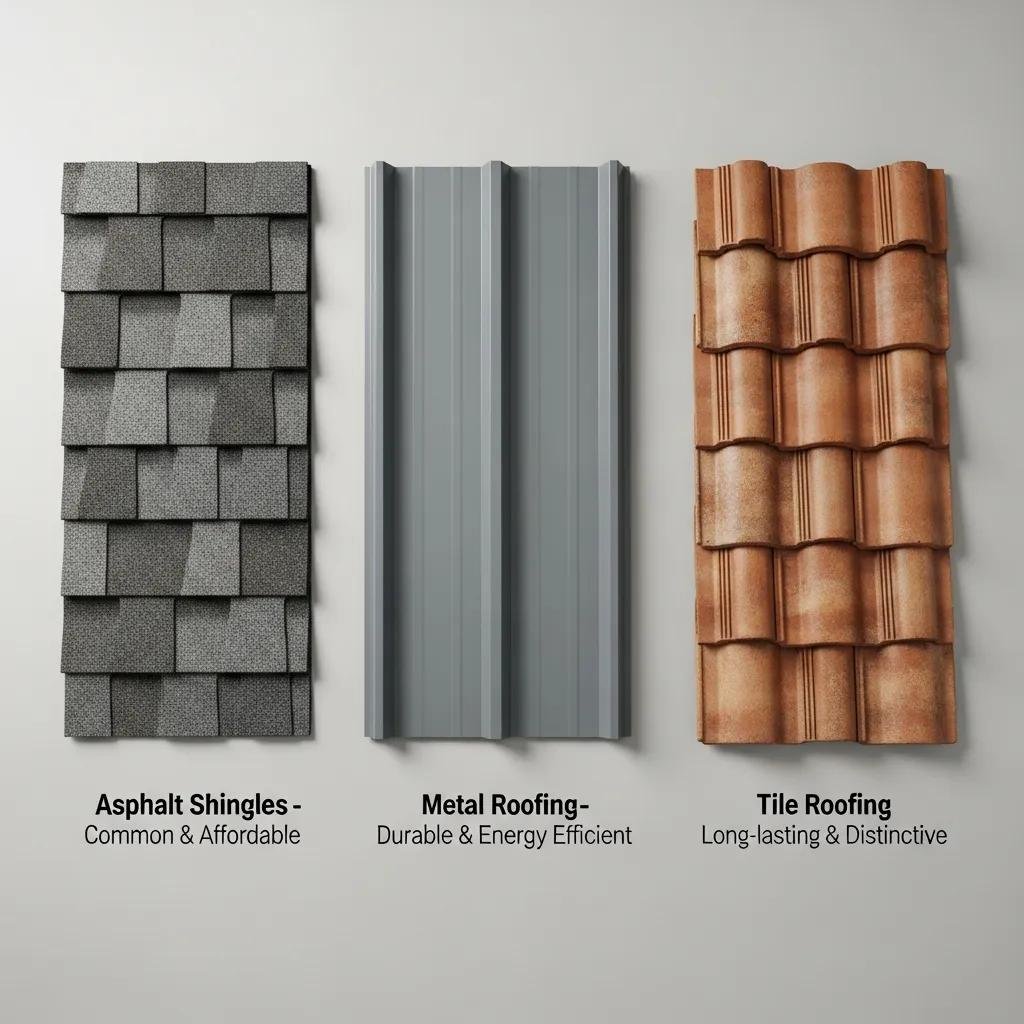
Common roofing materials that suit Oklahoma City homes include:
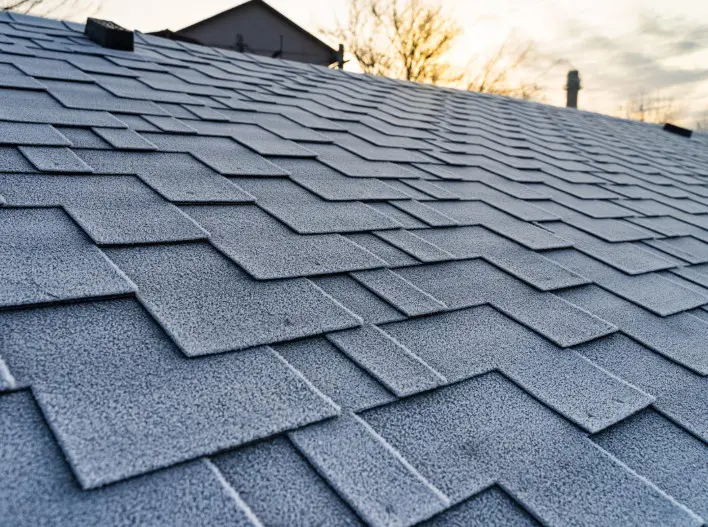
- Asphalt Shingles: Known for their affordability and ease of installation, asphalt shingles are a popular choice among homeowners. They offer a good balance of durability and cost, making them an excellent option for many residential properties.
- Metal Roofing: Metal roofs are gaining popularity due to their longevity and energy efficiency. They can last up to 50 years and are resistant to extreme weather conditions, making them a smart investment for homeowners looking for durability.
- Tile Roofing: While more expensive, tile roofs provide exceptional durability and aesthetic appeal. They are particularly effective in reflecting heat, which can help reduce energy costs in the long run.
Comparing each material’s pros and cons will help you select the right fit for performance, appearance, and budget.
How Do Asphalt Shingles Compare to Metal and Tile Roofing in Durability and Cost?
Durability and upfront cost are key when evaluating roofing types. Balance initial price against expected lifespan and maintenance needs to find the most cost-effective choice over time.
- Asphalt Shingles: These typically last 15-25 years, depending on the quality and installation. They are the most affordable option, with costs ranging from $90 to $100 per square.
- Metal Roofing: Metal roofs can last 40-70 years, making them a long-term investment. The initial cost is higher, averaging between $300 to $800 per square, but their longevity and energy efficiency can offset the upfront expense.
- Tile Roofing: Tile roofs are among the most durable, often lasting over 50 years. However, they come with a higher price tag, typically ranging from $600 to $1,200 per square.
Asphalt shingles offer the lowest initial cost, while metal and tile provide longer service life and better energy performance—factors that can lower lifetime costs and increase resale value.
Which Roofing Materials Offer the Best Energy Efficiency for Oklahoma Weather?
Energy efficiency matters in Oklahoma’s hot summers and variable seasons. The right roof can reduce cooling loads and improve indoor comfort.
The roof plays a major role in a building’s thermal performance, especially in warm climates where roof heat gain drives cooling demand.
Roofing Materials: Energy Performance & Heat Reduction
review of the different state-of-the-art of roofing technologies and roofing materials. The building roofs are the main sources of undesirable heat for buildings, especially in hot climates.
Review of white roofing materials and emerging economies with focus on energy performance cost-benefit, maintenance, and consumer indifference, W Maref, 2021
- Metal Roofing: Metal roofs reflect solar radiant heat, which can reduce cooling costs by up to 25%. Their energy efficiency is enhanced when paired with reflective coatings.
- Tile Roofing: Tile roofs also provide excellent energy efficiency due to their ability to reflect heat. They can help maintain cooler indoor temperatures during the hot summer months.
- Asphalt Shingles: While traditional asphalt shingles are less energy-efficient, newer varieties with reflective granules can improve their performance, making them a more viable option for energy-conscious homeowners.
Choosing energy-efficient roofing materials can reduce utility bills and make your home more comfortable year-round.
Ongoing research into new roofing materials aims to improve climate resilience and reduce heat transfer for future roof systems.
Innovative Roofing Materials for Climate Resilience
This mini-review, surveys recent material innovations that help societies adapt to rising temperatures, floods, droughts and extreme storms. Focusing on practical, near-term solutions, we highlight heat-reflective coatings and UV-stable polymers to reduce thermal stress, hydrophobic and corrosion-resistant concretes for flood resilience, and impact resistant composites and fire-retardant materials for extreme-weather protection.
Material Innovations for Climate Resilience: A Mini Review, 2025
How Much Does Roof Replacement Cost in Oklahoma City?
Roof replacement costs in Oklahoma City vary with material, roof size, and installation complexity. On average, expect a full replacement to fall between $5,000 and $15,000.
What Factors Influence the Cost of Roof Replacement in OKC?
Several key factors can influence the overall cost of roof replacement:
- Material Choice: The type of roofing material selected has the most significant impact on cost. Asphalt shingles are generally the least expensive, while metal and tile roofs can be considerably more costly.
- Labor Costs: Labor costs can vary based on the contractor’s experience and the complexity of the installation. More intricate roof designs may require additional labor, increasing overall costs.
- Home Size: The size of the roof directly affects the amount of material needed and the labor required for installation. Larger homes will naturally incur higher costs.
Knowing how material, labour, and size affect price helps you set a realistic budget and compare contractor estimates accurately.
Are There Financing Options Available for Roof Replacement Projects?
Many homeowners find the upfront cost challenging. Several financing routes can spread payments and make replacement more manageable.
- Home Equity Loans: Homeowners can borrow against the equity in their homes to finance roof replacement. This option often comes with lower interest rates compared to personal loans.
- Personal Loans: Unsecured personal loans can be used for roof replacement, providing flexibility in repayment terms. However, interest rates may be higher than secured loans.
- Contractor Financing: Some roofing contractors offer financing plans that allow homeowners to pay for their roof replacement over time. These plans may include promotional interest rates or deferred payments.
Reviewing these options lets you choose a plan that fits your finances while addressing urgent roof needs.
What Is the Roof Replacement Process with Oklahoma City Contractors?
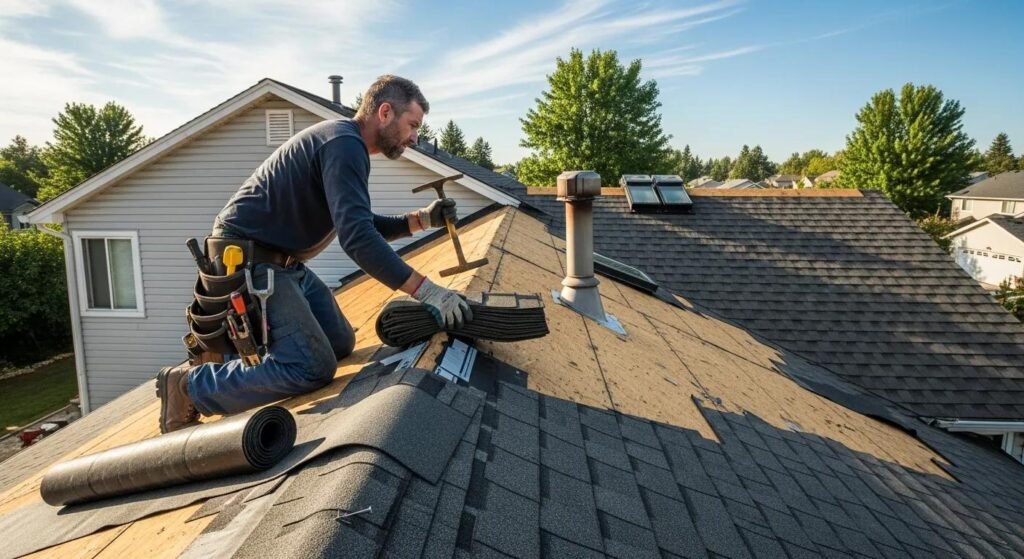
Knowing the typical replacement process reduces stress and improves outcomes. Most projects follow a clear sequence from inspection to final review.
What Are the Steps from Free Consultation to Professional Installation?
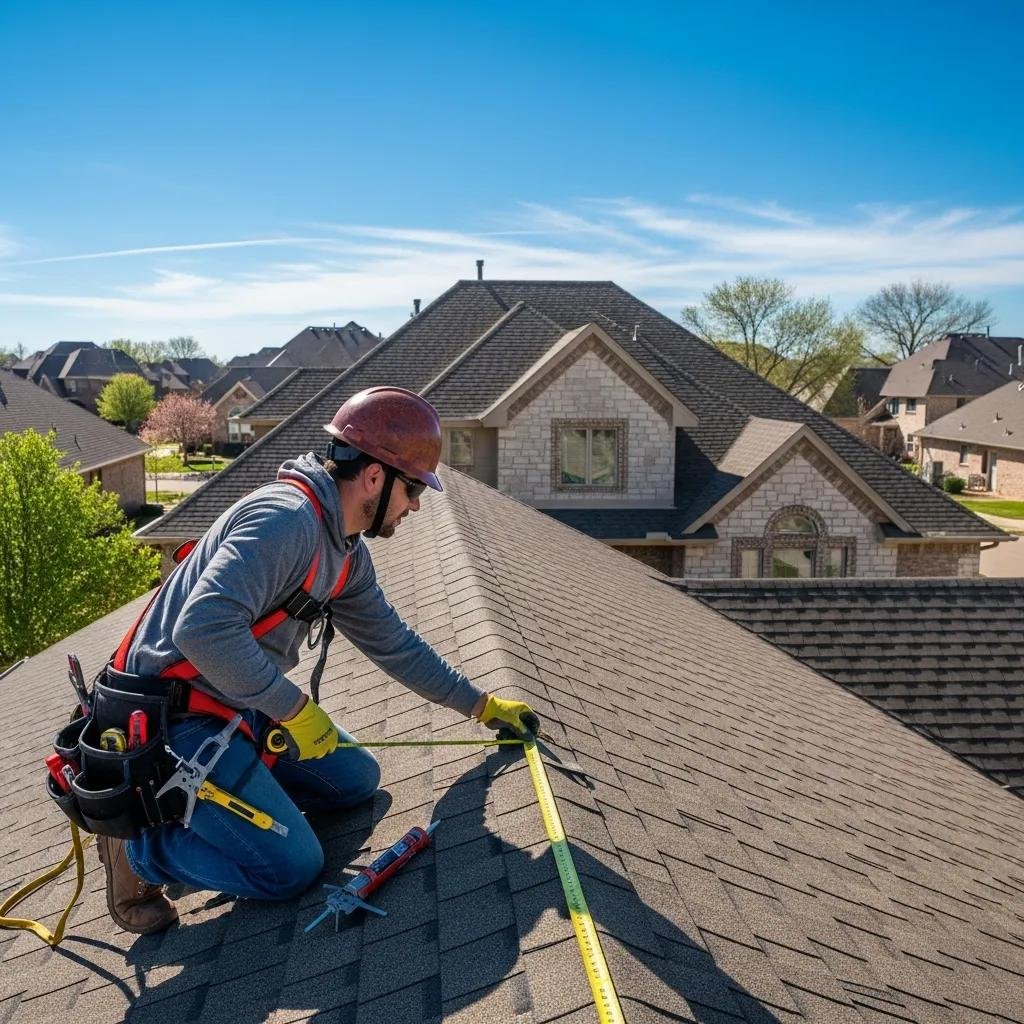
- Free Consultation: Homeowners should start with a free consultation to discuss their needs and preferences with a roofing contractor. This step often includes an inspection of the current roof.
- Material Selection: After assessing the roof’s condition, homeowners can choose the appropriate materials based on their budget and preferences.
- Installation Scheduling: Once materials are selected, the contractor will schedule the installation date, taking into account weather conditions and availability.
- Installation: The actual installation process involves removing the old roof, making any necessary repairs, and installing the new roofing material.
- Final Inspection: After installation, a final inspection ensures that the work meets quality standards and that the roof is ready for use.
Familiarity with each step helps you prepare, ask the right questions, and confirm the work meets agreed standards.
How Long Does a Typical Roof Replacement Take in Oklahoma City?
Replacement timelines vary by roof size and material. Typically, projects take from a few days up to two weeks to complete.
Factors that can influence the timeline include:
- Weather Conditions: Inclement weather can delay installation, so it’s essential to consider seasonal factors when scheduling a roof replacement.
- Roof Size: Larger roofs will naturally take longer to replace than smaller ones.
- Material Type: Some materials, like tile, may require more time for installation compared to asphalt shingles.
Account for weather, roof complexity, and material-specific needs when you plan the project to set realistic expectations.
How to Choose the Right Roof Installation Company in Oklahoma City?
Selecting the right contractor is critical to a successful replacement. Look for credentials, local experience, and clear communication.
What Credentials and Experience Should You Look for in Local Roofing Contractors?
- Licensing and Insurance: Ensure that the contractor is licensed and carries liability insurance. This protects homeowners from potential liabilities during the project.
- Experience: Look for contractors with a proven track record in roof replacement. Experience in the local market can be beneficial, as they will be familiar with Oklahoma’s specific weather conditions.
- References and Reviews: Request references from previous clients and check online reviews to gauge the contractor’s reputation and quality of work.
Verifying licences, insurance, and local experience reduces risk and increases the likelihood of a high-quality result.
How Do Customer Reviews and Warranties Impact Your Decision?
Customer reviews and warranties provide insight into a contractor’s reliability and the long-term protection they offer.
- Customer Reviews: Positive reviews can provide insight into a contractor’s reliability and quality of work. Look for patterns in feedback regarding communication, timeliness, and overall satisfaction.
- Warranties: A solid warranty can offer peace of mind, ensuring that any issues arising after installation will be addressed. Be sure to understand the terms of the warranty and what it covers.
Focus on consistent positive feedback and clear warranty terms when comparing contractors to protect your investment.
What Are the Maintenance and Warranty Options for Roof Replacement in Oklahoma City?
Routine maintenance and clear warranty coverage extend a roof’s useful life and safeguard your investment.
How Can Regular Maintenance Extend Your Roof’s Lifespan?
Regular maintenance can significantly extend the life of a roof. Homeowners should consider the following maintenance practices:
- Regular Inspections: Schedule annual inspections to identify and address potential issues before they escalate.
- Cleaning Debris: Keep the roof clear of leaves, branches, and other debris that can trap moisture and lead to damage.
- Addressing Minor Repairs: Promptly address any minor repairs, such as replacing missing shingles or sealing leaks, to prevent more extensive damage.
Annual checks, timely debris removal, and quick repairs prevent small issues from becoming costly problems.
What Warranty Coverage Should You Expect from Roofing Contractors?
Warranties differ by material and contractor. Know what each warranty covers and how long it lasts before you sign any agreement.
- Material Warranty: This warranty covers defects in the roofing materials themselves, typically lasting 20-50 years, depending on the material.
- Workmanship Warranty: This warranty covers the installation work performed by the contractor, usually lasting 1-10 years.
- Transferable Warranties: Some warranties may be transferable to new homeowners, which can enhance the property’s resale value.
Compare material and workmanship warranties carefully to ensure you have both product protection and coverage for the installation.
How Do Roof Repair and Replacement Compare for Oklahoma City Homeowners?
Deciding between repair and replacement depends on the extent of damage, roof age, and long-term costs. Evaluate both short-term savings and lifetime value.
When Is Roof Repair a Viable Option Versus Full Replacement?
Roof repair is a viable option when:
- Minor Damage: If the damage is localized, such as a few missing shingles or small leaks, repairs can be a cost-effective solution.
- Budget Constraints: Homeowners on a tight budget may opt for repairs to extend the roof’s life without incurring the full cost of replacement.
However, full replacement may be necessary when:
- Extensive Damage: If the roof has widespread damage or is nearing the end of its lifespan, replacement is often the better option.
- Increased Energy Costs: An old, inefficient roof can lead to higher energy bills, making replacement a more economical choice in the long run.
What Are the Long-Term Benefits of Choosing Roof Replacement?
Opting for roof replacement can provide several long-term benefits, including:
- Increased Home Value: A new roof can enhance curb appeal and increase the overall value of the home.
- Improved Energy Efficiency: New roofing materials can significantly improve energy efficiency, leading to lower utility bills.
- Enhanced Protection: A new roof provides better protection against the elements, reducing the risk of leaks and structural damage.
Replacing the roof can deliver measurable returns: higher resale value, lower energy bills, and improved protection for the home.
Frequently Asked Questions
What are the signs that indicate a roof needs replacement?
Look for missing or damaged shingles, visible sagging, attic or ceiling leaks, and heavy granule loss in gutters. If the roof is over 20 years old, it may be close to the end of its expected life. Regular inspections help catch warning signs early so you can decide between repair and replacement.
How can I prepare my home for a roof replacement?
Prepare by clearing outdoor furniture, decorations, and parked vehicles to give contractors safe access. Inside, move items away from exterior walls and cover furniture to protect against dust. Let neighbours know about the work and secure pets away from the work area for safety.
What should I expect during the roof replacement process?
Expect an initial inspection and material discussion, removal of the old roof, any necessary structural repairs, installation of the new roofing, and a final quality inspection. The work will create noise and activity; a reputable contractor will minimise disruption and keep you informed.
Are there any local building codes I need to be aware of?
Yes. Oklahoma City building codes set requirements for materials, installation methods, and safety. Work with a licensed contractor who knows local rules to ensure compliance and avoid fines or issues at resale. Confirm current requirements with local authorities or your contractor.
What are the environmental impacts of different roofing materials?
Environmental impacts vary. Asphalt shingles are petroleum-based and contribute to landfill waste. Metal roofing is often more sustainable due to longevity and recyclability. Tile uses natural materials but can have higher production emissions. Consider lifecycle impacts, recyclability, and energy performance when choosing.
How can I ensure my new roof is properly ventilated?
Proper ventilation combines ridge vents, soffit vents, and gable vents to allow continuous airflow. Good ventilation reduces heat buildup and moisture in the attic, preserving insulation and roof components. Discuss ventilation options with your contractor during planning to create a balanced system.
Conclusion
Choosing the right roofing material and contractor in Oklahoma City improves durability, energy efficiency, and property value. By weighing costs, lifespan, and local climate resistance, you can make informed choices that meet both short-term needs and long-term goals. Use the guidance here to compare options and start planning your roof replacement with confidence.